
"Djampit Estate"
11560 article(s) found
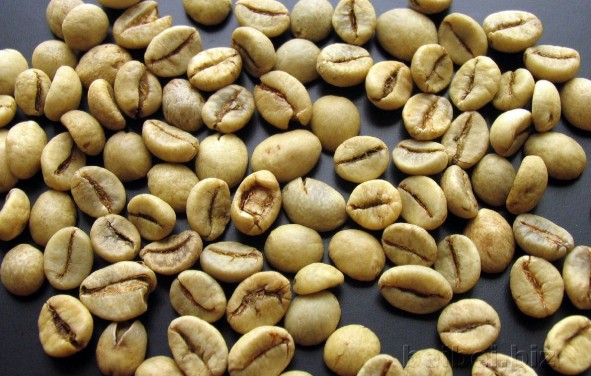
World Boutique Coffee Estate Indonesia Coffee Beans: Introduction to Indonesian Java Robusta Green Beans
In the early 1970s Java cut down most of the Arabica trees introduced by the Dutch and planted them with robusta beans, and since then Java coffee has become greasy, bland and has a strong smell of wheat tea. Indonesia Java robusta green bean In the early seventies Java introduced most Dutch Arabi

Indonesia Coffee Estate Introduction Kahayangan Estate Indonesia Coffee
This coffee was discovered because local workers were forbidden to drink coffee by the stingy Dutch planters at that time. In order to obtain this magical fruit that they had worked hard to grow, they had to find it in the excrement of civet cats. After washing and grinding, they made it into world-class coffee, which was then discovered by the Dutch and became more expensive. As Indonesia's main tourist destination

Introduction of Java Coffee beans in Blawan Estate Brawan Manor, Indonesia _ Java five Coffee Manors
Professional coffee knowledge exchange more coffee bean information please follow Coffee Workshop (Wechat official account cafe_style) Java Coffee Manor Blawan is produced on the Blawan plantation in East Java on the Ijen Plateau. Blawan (also known as Belawan or Blauan) is one of the five largest estates in the region, dating back to Dutch colonial times. Like most Java, not like Sue.

Coffee beans Indonesia Java Robusta raw beans Indonesia Java Robusta
In the early 1970s, Java cut down Arabica trees introduced by most Dutch and planted Robbosa beans instead. Since then, Java coffee has become greasy, plain and has a strong smell of wheat and tea. Among the few remaining Arabica estates, Djampit is the most famous. These beans are similar to other Indonesian beans, but with obvious sour taste and poor texture.
Fine coffee beans raw beans from Robusta, Java, Indonesia
In the early 1970s, Java cut down Arabica trees introduced by most Dutch and planted Robbosa beans instead. Since then, Java coffee has become greasy, plain and has a strong smell of wheat and tea. Among the few remaining Arabica estates, Djampit is the most famous. These beans are similar to other Indonesian beans, but with obvious sour taste and no texture.

Introduction of boutique coffee beans raw beans from Robusta, Java, Indonesia
In the early 1970s, Java cut down Arabica trees introduced by most Dutch and planted Robbosa beans instead. Since then, Java coffee has become greasy, plain and has a strong smell of wheat and tea. Among the few remaining Arabica estates, Djampit is the most famous. These beans are similar to other Indonesian beans, but with obvious sour taste and no texture.

General knowledge of boutique coffee beans raw beans from Robusta, Java, Indonesia
In the early 1970s, Java cut down Arabica trees introduced by most Dutch and planted Robbosa beans instead. Since then, Java coffee has become greasy, plain and has a strong smell of wheat and tea. Among the few remaining Arabica estates, Djampit is the most famous. These beans are similar to other Indonesian beans, but with obvious sour taste and no texture.
Indonesia Java Robusta Green Beans
Indonesia Java robusta green bean In the early 1970s Java cut down most of the Arabica trees introduced by the Dutch and planted robusta beans instead. Since then Java coffee has become greasy, bland and has a strong smell of wheat tea. Of the few remaining Arabica estates, Djampit is the most famous.

Raw bean Indonesia Java Robusta in Robusta, Java, Indonesia
In the early 1970s, Java cut down Arabica trees introduced by most Dutch and planted Robbosa beans instead. Since then, Java coffee has become greasy, plain and has a strong smell of wheat and tea. Among the few remaining Arabica estates, Djampit is the most famous. These beans are similar to other Indonesian beans, but with obvious sour taste and no texture.

Raw bean Indonesia Java Robusta in Robusta, Java, Indonesia
Java Robusta raw beans Indonesia Java robusta green bean in Indonesia in the early 1970s, Java cut down Arabica trees introduced by most Dutch and planted Robbosa beans instead. Since then, Java coffee has become greasy, plain, and has a strong smell of wheat and tea. Of the few remaining Arabica estates, Djampit is the most famous.

Indonesia Java Robusta raw beans Indonesia Java Robusta Java boutique coffee
In the early 1970s, Java cut down Arabica trees introduced by most Dutch and planted Robbosa beans instead. Since then, Java coffee has become greasy, plain and has a strong smell of wheat and tea. Among the few remaining Arabica estates, Djampit is the most famous. These beans are similar to other Indonesian beans, but with obvious sour taste and no texture.

Indonesia Java Robusta raw beans Indonesia Java Robusta Java coffee beans Java coffee coffee
In the early 1970s, Java cut down Arabica trees introduced by most Dutch and planted Robbosa beans instead. Since then, Java coffee has become greasy, plain and has a strong smell of wheat and tea. Among the few remaining Arabica estates, Djampit is the most famous. These beans are similar to other Indonesian beans, but with obvious sour taste and no texture.

Indonesian Java Coffee Robusta Coffee Raw beans introduction to the History of Robusta Coffee beans Robbs
In the early 1970s, Java cut down Arabica trees introduced by most Dutch and planted Robbosa beans instead. Since then, Java coffee has become greasy, plain and has a strong smell of wheat and tea. Among the few remaining Arabica estates, Djampit is the most famous. These beans are similar to other Indonesian beans, but with obvious sour taste and no texture.
Well-known coffee raw beans introduce raw beans in Robusta, Java, Indonesia
Java Robusta raw beans Indonesia Java robusta green bean in Indonesia in the early 1970s, Java cut down Arabica trees introduced by most Dutch and planted Robbosa beans instead. Since then, Java coffee has become greasy, plain, and has a strong smell of wheat and tea. Of the few remaining Arabica estates, Djampit is the most famous.

Indonesian coffee plantation
The old plantations preserved today are now clustered in eastern Java, including Djampit, Blawan, Pancoer, and Kayumas4 plantations, all near the Ijen volcano on the Ijen plateau, who have grown the same kind of coffee from the 18th century to the present. But Java is no longer that Java. When it comes to Indonesian coffee, people talk more about Sumandra.

The origin of the introduction of Kopi Luwak
The old plantations preserved today are now clustered in eastern Java, including Djampit, Blawan, Pancoer, and Kayumas4 plantations, all near the Ijen volcano on the Ijen plateau, who have grown the same kind of coffee from the 18th century to the present. But Java is no longer that Java. When it comes to Indonesian coffee, people talk more about Sumandra.

Indonesia what coffee is the most famous in Indonesia
The old plantations preserved today are now clustered in eastern Java, including Djampit, Blawan, Pancoer, and Kayumas4 plantations, all near the Ijen volcano on the Ijen plateau, who have grown the same kind of coffee from the 18th century to the present. But Java is no longer that Java. When it comes to Indonesian coffee, people talk more about Sumandra.

The Development History of Kopi Luwak Kopi Luwak Taste and introduction
The old plantations preserved today are now clustered in eastern Java, including Djampit, Blawan, Pancoer, and Kayumas4 plantations, all near the Ijen volcano on the Ijen plateau, who have grown the same kind of coffee from the 18th century to the present. But Java is no longer that Java. When it comes to Indonesian coffee, people talk more about Sumandra.

Introduction to the characteristics of Arabica coffee beans in the producing area of Arabica coffee farm in Indonesia
The old plantations preserved today are now clustered in eastern Java, including Djampit, Blawan, Pancoer, and Kayumas4 plantations, all near the Ijen volcano on the Ijen plateau, who have grown the same kind of coffee from the 18th century to the present. But Java is no longer that Java. When it comes to Indonesian coffee, people talk more about Sumandra.

Introduction to the characteristics of Indonesian Kopi Luwak Flavor Manor production area
In the early 1970s, Java cut down Arabica trees introduced by most Dutch and planted Robbosa beans instead. Since then, Java coffee has become greasy, plain and has a strong smell of wheat and tea. Among the few remaining Arabica estates, Djampit is the most famous. These beans are similar to other Indonesian beans, but with obvious sour taste and texture.